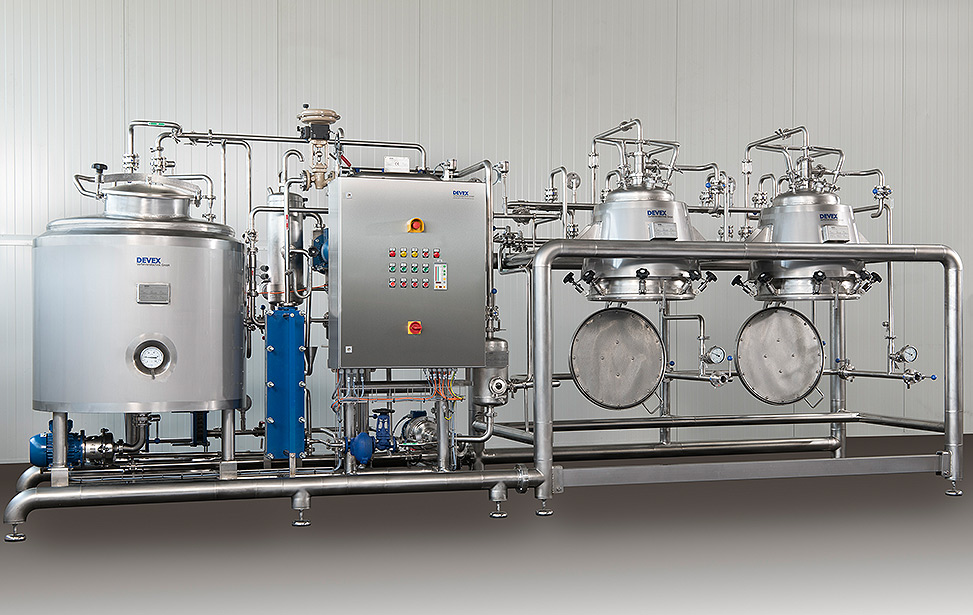
Hydro Distillation
Hydro Distillation is a traditional method used to extract essential oils from plant materials using water as the solvent. The plant material is immersed in water and heated to a boil throughout this procedure. The volatile components from the plant material are carried by the vaporized water, which is caused by heat. After passing through a condenser, where it is cooled and transformed back into liquid form, the steam that contains the essential oils is released. Because it is insoluble in water, the essential oil separates from the water and can be collected.
Hydro distillation’s capacity to yield premium oils that maintain their inherent fragrance and medicinal qualities is one of its main benefits. A large variety of aromatic compounds can be extracted without deterioration because to the mild solvent activity of water. For delicate blooms and foliage that could be harmed by more forceful extraction processes, this method works especially well. Furthermore, hydro distillation is affordable and easy to use, making it available to craftsmen and small-scale manufacturers.
To guarantee the success of hydro distillation, a number of elements need to be taken into account. Because different species and even portions of the same plant can generate varying oil compositions, choosing the right plant material is essential. It is crucial to prepare the equipment properly, which includes making sure the distillation apparatus is clean and configured correctly. Time and temperature management are also crucial; the distillation process should be tuned to extract the necessary compounds without over-extraction, and the temperature must be regulated to prevent burning or denaturing the plant materials. In order to preserve the extracted oils’ potency and purity, quality control procedures and appropriate storage are required.
Technology and expertise
- Extraction of all solvents
- Purification and concentration (filtration, decantation, centrifugation, precipitation, distillation, crystallisation, thermisation, etc.)
- Drying and spraying
- Powder mixing