
Essential oils are concentrated essence of plants that are extracted to ensure the oils retain their therapeutic properties and are of the highest quality for use in various applications, including aromatherapy, cosmetics, and pharmaceuticals.
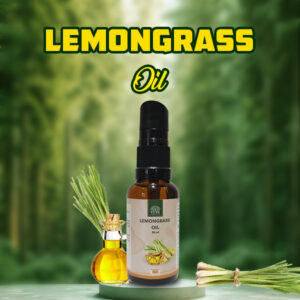 The manufacturing process for extracting essential oils involves several key steps, each designed to preserve the purity and potency of the oils.
To maximize essential oil yield and quality, plants must be harvested at the ideal moment. This entails taking into account a number of variables, including the plant’s growth stage, the season, and the time of day. For example, early morning harvesting of many plants is preferable as it helps retain the volatile aromatic components after the dew has dissipated. Timing according to the seasons is also significant. The maturity of the plant also matters. Many herbs are harvested right before or right during blossoming in order to obtain the maximum oil concentration. Efficient post-harvest management, such as prompt processing or suitable storage, guarantees the retention of crucial Essential Oils.
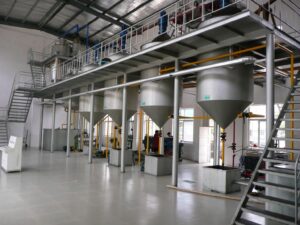 Different techniques are used to extract essential oils, all of which are designed to protect the delicate aromatic compounds and guarantee the highest calibre of the finished product. The most popular technique is Steam Distillation, which involves vaporizing the volatile plant chemicals and then condensing them back into liquid form. In Solvent Extraction, the essential oils from the plant material are dissolved using solvents such as ethanol, and then the solvent evaporates. Supercritical CO2 is used in CO2 Extraction to effectively extract the oils while maintaining their characteristics. Additional techniques include enfleurage, an antiquated process that uses fat to absorb the essential oils, and maceration, which involves soaking plant material in a carrier oil.
Steam Distillation is a common method of essential oil distillation, which includes placing plant material in a still and passing steam through it. The volatile compounds are transferred to a condenser after being vaporized by the steam. The vapor cools and condenses back into liquid form in the condenser, where it separates into water and essential oil. Because it preserves the delicate aromatic molecules without the use of harsh chemicals, this approach is preferred.
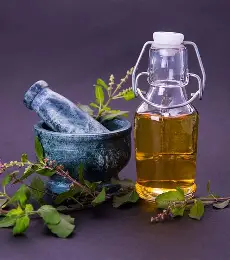 Post-extraction Processing includes Filtration to get rid of any last bits of plant material, concentration through solvent or water evaporation, and purification to improve the oil’s quality are all steps in the post-extraction processing chain. The last essential oil is then sealed and placed in opaque glass jars to keep out light and air and preserve its potency