
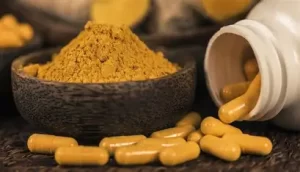
 Medicinal plants are extracted and processed for direct consumption as herbal or traditional medicine or prepared for experimental purposes.
The concept of preparation of medicinal plant for experimental purposes involves the proper and timely collection of the plant, authentication by an expert, adequate drying, and grinding. This is followed by extraction, fractionation, and isolation of the bioactive compound.
Extraction of medicinal plants is a process of separating active plant materials or secondary metabolites such as alkaloids, flavonoids, terpenes, saponins, steroids, and glycosides from inert or inactive material using an appropriate solvent and standard extraction procedure.
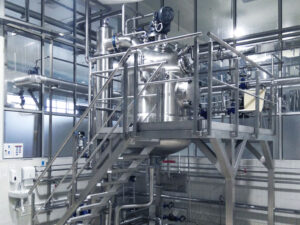 Several methods were used in the extraction of medicinal plants such as maceration, infusion, decoction, percolation, digestion and Soxhlet extraction, and Supercritical fluid extraction.
In addition, in the lab, thin-layer chromatography (TLC), high-performance liquid chromatography (HPLC), paper chromatography (PC), and gas chromatography (GC) were used in separation and purification of the secondary metabolites.
The choice of an appropriate extraction method depends on the nature of the plant material, solvent used, pH of the solvent, temperature, and solvent to sample ratio. It also depends on the intended use of the final products.