
 Specialty fats are fractionated by separating oils or fats into discrete fractions with varying physical characteristics and melting points. The usual method for achieving this is a regulated cooling procedure. In order to guarantee that all crystalline structures are melted, the feedstock—such as palm oil—is first heated. After that, it is progressively cooled in crystallizers, which have temperature controls that are carefully calibrated to cause partial crystallization. The residual oil remains in a liquid phase while the solid fat content crystallizes thanks to this carefully regulated cooling.
 The combination, which is now a slurry of solid and liquid fractions, is run through a membrane filter press or centrifuge once the required degree of crystallization is reached. Using this apparatus, the liquid oil (olein) and the solid crystals (stearin) are separated. While the olein fraction is employed in applications requiring liquid oils, including salad dressings and frying oils, the stearin fraction is usually used in goods requiring higher melting points, like margarine and shortening.
The fractionation process is a natural way to make specialized fats and has the benefit of not requiring any chemical alterations. The adaptability and value of the final products can be increased by customizing this method to yield fractions that satisfy particular customer requirements. The method can be integrated with current refining processes and is energy-efficient, which makes it an affordable way to produce specialty fats of superior quality.
Mango Kernel Butter Extraction
 Gathering ripe mangoes and extracting the seeds from them is the first step in making mango kernel butter. To get rid of any contaminants and moisture, these seeds are properly cleaned and sun-dried. To access the kernels inside the seeds, the outer shell is removed once they have dried. After that, the nutrient- and fatty acid-rich kernels are cold-pressed to release the butter. This cold-pressing technique yields a creamy, firm product that solidifies at room temperature while preserving the natural advantages of the mango butter.
The mango butter is refined after extraction to improve its quality and application. To do this, the butter must be filtered to get rid of any leftover solids and contaminants. After that, the refined butter is sealed in airtight receptacles to keep it fresh and stop it from oxidizing. Because of its nourishing and moisturizing qualities, mango kernel butter is highly prized in the skincare and cosmetics sectors and is frequently used as a component in lotions, creams, and other personal care products.
Cocoa Butter Extraction
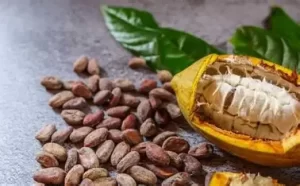
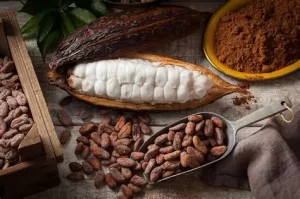
Harvesting ripe Cocoa Pods is the first step in the laborious process of extracting cocoa butter from cocoa beans. The cocoa beans are exposed when these pods are split open, and they undergo several days of Fermentation to acquire their distinct flavor. The beans are dried to lower the moisture content after fermentation.
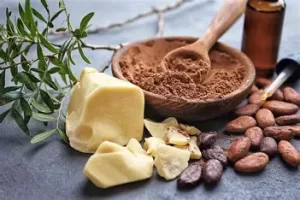
Winnowing is the process of cracking open the dried beans after they have been roasted to intensify their flavor and aroma and to get rid of the shells. After Roasting, the beans are mashed into a thick paste known as cocoa liquor, which is made up of cocoa butter and solids. The cocoa butter and cocoa solids are subsequently separated from this liquor by Hydraulic Pressing. Filtration is used to get rid of any leftover cocoa butter after extraction.
Shea & Sal Seed Oil Extraction
Shea Oil Extraction Process
Shea nuts are picked from the shea tree, and this is the first step in the process. To get rid of the fleshy fruit that surrounds the nuts, they must first be Depulped. Fermentation is one method of manual labor. After that, the nuts are cooked to remove any remaining pulp and to soften them. The nuts are dried after boiling in order to lower the moisture content and avoid mold growth while being stored. The outer shell of the dried nuts is next removed by Dehusking, exposing the kernels, which are now ready to be extracted for oil.
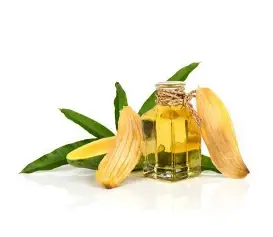 To extract the oil, the kernels are ground into a fine powder and then Compressed Hydraulically. After extraction, contaminants are filtered out of the oil. Several Filtering processes may be required in this procedure to guarantee that the oil is pure and of high quality.
Sal Seed Oil Extraction Process
The seeds of the Sal tree (Shorea robusta) are used to obtain salted seed oil. The procedure starts with gathering mature sal seeds, which are subsequently dried to remove excess moisture. To liberate the oil and crack the outer shell, the dried seeds are crushed.
The oil is then extracted from the crushed seeds by Hydraulic Pressing. To guarantee a pure product, all leftover contaminants are filtered out of the extracted oil.
Solvent extraction may be utilized in specific circumstances to boost the oil production. This is soaking the ground seeds in a solvent to dissolve the oil, which is subsequently evaporated to remove it from the solvent.
Sal seed oil is the end result, and it’s utilized in a number of industrial applications, such as the soaps and cosmetics.